Steps to Stop Former Contractors From Entering Your Home
After a contractor finishes a job at your house, you hand over a key or leave one in a lockbox. Most return the key when the work is done, but not everyone does. A key that stays in someone else's hands is a risk you cannot see. You do not know who else might have copied it, or where it ended up. This guide walks you through what you can do to make sure your home stays secure after a contractor leaves.
Know the Risks of a Missing Key
A missing key from a contractor is different from losing your own set. A contractor may have had the key for days or weeks. During that time the key could have been duplicated, lent to another worker, or simply lost. Even if the contractor is trustworthy, their crew or their office staff might not be. The key could also be sitting in a truck that gets broken into. You cannot control what happens to a key once it leaves your sight. That is why treating a missing contractor key as a security breach is the only safe approach.
Assess Whether the Key Could Be Copied
Not all keys are equally easy to copy. Some keys have a "do not duplicate" stamp, but that is more of a request than a legal barrier. Many hardware stores will still copy them. High-security keys, such as those with restricted keyways or patented profiles, are harder to duplicate without authorization. If your lock uses a standard pin-tumbler cylinder and a common key blank, the risk of unauthorized copying is higher. Ask your locksmith whether your existing lock cylinder is a common type or a restricted design. That information helps you decide how urgently you need to act.
Recover the Key if You Can
Before you change anything, ask the contractor for the key back. A simple phone call or email often works. Some contractors keep keys for future service visits, so they may not realize you want it returned. If they say they lost it, ask when and where. Their answer tells you how much risk remains. If the key was lost on a job site or in transit, the risk is lower than if it was lost near your home. Even if they return it, you still cannot be sure a copy was not made. But recovering the original reduces the chances of casual entry by someone who finds it.
Decide Between Rekeying and Replacing the Lock
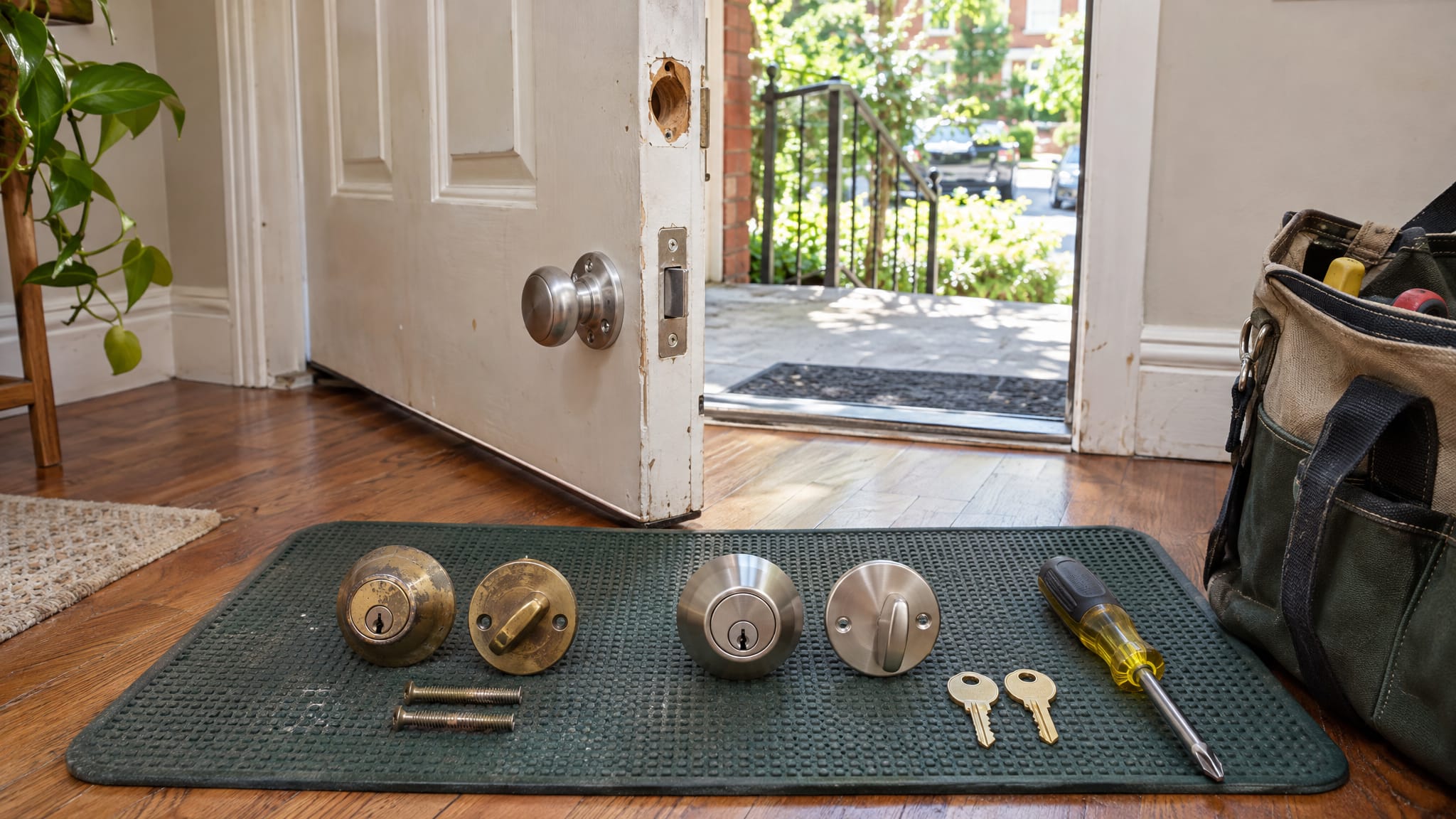
Rekeying changes the internal pins of the lock cylinder so the old key no longer works. A new key is cut to match the new pin arrangement. Rekeying is faster and cheaper than replacing the entire lock, and it keeps your existing hardware - handles, deadbolts, strike plates - all in place. Replacement means removing the whole lock assembly and installing a new one. That is necessary if the lock is worn, damaged, or if you want to upgrade to a different security level. For most homes, rekeying is the right call after a contractor loses a key. It restores security without a full hardware change.
Call a Locksmith for a Lock Rekey After Lost Key
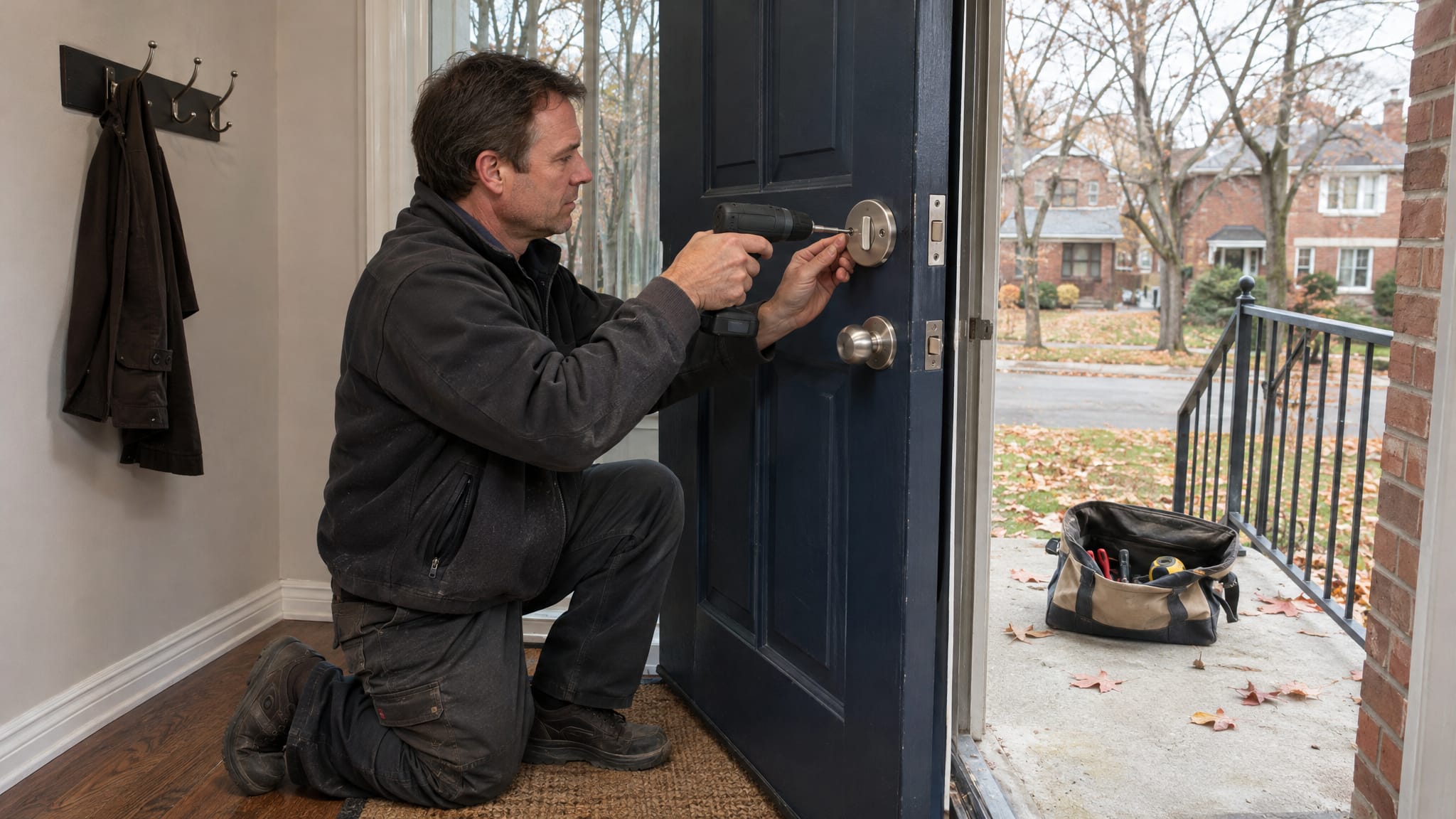
This is the step where you bring in a professional. Explain that you need a lock rekey after lost key and that the key was in a contractor's possession. A good locksmith will ask which doors use that key and whether you have a master key system. They will remove the cylinder, change the pins, and cut new keys on the spot. The whole process for a single cylinder takes about 15 to 30 minutes. Make sure the locksmith gives you at least two new keys. Keep one in a secure place and give the other to someone you trust. Do not hand the new key to anyone until you are sure the old one is no longer valid.
What to Watch for During the Rekey
Watch the locksmith remove the cylinder. The cylinder is the part of the lock where you insert the key. On most residential locks, it comes out after removing a small screw on the edge of the door. The locksmith will insert a special tool called a plug follower to keep the lock mechanism intact while the cylinder is out. They will then remove the old pins and insert new ones according to a new key code. Ask them to show you that the old key no longer works. Test it yourself on the door before they leave. Also ask for the old key back so you can destroy it.
Know When Rekeying Is Not Enough
If the contractor had access to a master key that works on multiple locks in your building, rekeying just your unit may not be enough. A master key system uses a single key to open many locks, each with its own unique key. If the master key was lost or copied, every lock in that system is compromised. In that case, you may need to rekey the entire system or switch to a different keying scheme. Talk to your landlord or property manager about this. For a single-family home, this is rarely an issue unless you have a shared entrance with a neighbor.
Consider Upgrading the Lock Cylinder
If your current lock cylinder is old or uses a common keyway, this is a good time to upgrade. Smart locks that use codes or fingerprints remove the key problem entirely. But if you prefer mechanical locks, look for a cylinder with a restricted keyway. These cylinders require the locksmith to authorize any duplicate key, so a copied key cannot be made at a hardware store. They cost more than standard cylinders, but the added control over key duplication is worth it for many homeowners. Ask your locksmith about brands like Schlage, Kwikset, or Medeco that offer restricted key systems.
Change the Code on Electronic Locks
If your entry door uses a keypad lock or a smart lock, the same principle applies. After a contractor leaves, change the entry code immediately. Most keypad locks let you do this from the keypad itself. Smart locks can be updated through an app, often remotely. Do not reuse an old code that the contractor might have seen. Use a new code that is at least six digits long and not based on your address or phone number. Also check the lock's audit trail if it has one. Some smart locks log every entry and exit, so you can see if anyone used the code after the contractor left.
Physical Security After the Key Change
Once the locks are changed, you still need to manage the new keys carefully. Do not leave a spare key under a mat, in a flower pot, or on top of the door frame. Burglars know those hiding spots. Instead, give a spare key to a trusted neighbor or use a secure lockbox with a combination that only you know. If you rent, give one key to your landlord and keep the rest. Label keys only with the address, not the purpose. That way, if the key is lost, the finder does not know which door it opens.
Talk to Future Contractors About Key Policies
Before you hire the next contractor, set clear rules about keys. Tell them you will provide access only during working hours and that the key must be returned at the end of each day. If they need after-hours access, consider using a lockbox with a code that you change after the job. Write the key policy into the contract. That gives you legal backing if the key is not returned. Most contractors will agree because it protects them too. A written policy also makes it clear that you take security seriously.
When to Involve the Police
If you suspect the contractor used the key to enter your home without permission, call the police. This is theft or breaking and entering, depending on the circumstances. Do not confront the contractor yourself. Let the police investigate. If you have a security camera, check the footage for the times you were away. Save any evidence. The police may ask for proof that the key was not returned and that you changed the locks afterward. Keep the old cylinder and the old key as evidence. Even if no crime occurred, reporting it creates a record in case it happens again.
Final Checks After the Lock Change
After the locksmith leaves, test every key they gave you. Check that the door locks and unlocks smoothly. If the door is a bit stiff, the new pins may need a little lubricant - graphite powder, not oil. Oil attracts dust and will gum up the lock over time. Also check the strike plate and the deadbolt. Make sure the bolt slides fully into the strike plate when you lock the door. If it does not, the door may not be secure. Adjust the strike plate or call the locksmith back to fix it.
Keep a Record of All Keys
Write down how many keys you have for each lock, who has them, and when they got them. Update this list every time you change locks. If a key goes missing, you can immediately see who had access. This simple habit makes future decisions easier. You will know exactly how many keys are out there and whether a lock rekey after lost key is really needed. A good record also helps if you sell the house and need to give the new owner a complete set of keys.
Taking back control of your home's access after a contractor leaves is straightforward. Rekey the affected locks, test the new keys, and manage the spares wisely. The small effort of changing a lock cylinder gives you peace of mind that no one with an old key can walk in uninvited. Your home should feel safe, and a simple lock change can restore that feeling.